
Welcome, to the Voice of the Veteran Community, read the narratives of our Veterans who share their personal story of sacrifice, resilience and courage. The stories within these pages speak of setbacks and triumphs, of boundless love and steadfast support from families and caregivers. Veterans have unique stories and experiences that deserve to be shared and heard. In a world where the voices of Veterans can sometimes be overlooked or misunderstood, this platform seeks to bridge the gap and foster a sense of community and understanding. Share your story of triumphs and setbacks. Collectively, they will all serve as a source of inspiration for others
Veterans’ Voice
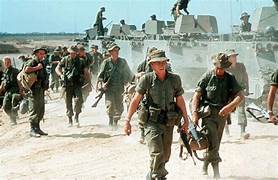
John’s story (Vietnam 1966 – 67)
Reflections on Vietnam
After returning from Vietnam, John found himself grappling with a society that misunderstood and even shunned Veterans like him. The contrast between his safe, nurturing environment in Regional Victoria and the harsh realities of combat left an indelible mark on his psyche. He struggled to reconcile the peaceful life he once knew with the horrors he witnessed and the loss of comrades. The trauma of his experiences in Vietnam haunted him deeply. He felt a profound sense of survivor’s guilt, questioning why fate spared him while others perished. These feelings weighed heavily on him, casting a shadow over his ability to continue teaching with the same passion and dedication as before.
Struggles with Post-Traumatic Stress
As time passed, John’s difficulties extended beyond the classroom. The nightmares and flashbacks became more frequent, disrupting his sleep and triggering anxiety during the day. Simple things like loud noises or crowded spaces could transport him back to the battlefield, reliving moments of fear and helplessness. He sought solace in the camaraderie of fellow Veterans who understood his struggles, yet even they couldn’t completely bridge the gap between his wartime experiences and the civilian life he once led. Therapy sessions became a regular part of his routine, offering some relief but never fully alleviating the deep-seated trauma that marked his soul.
Coming to Terms with the Past
Despite the challenges, John found moments of peace in quiet reflection and in sharing his story with others who were willing to listen. Over time, he began to see that his survival carried a different kind of responsibility—not just to himself, but to honour the memory of those who didn’t make it back. He discovered a renewed sense of purpose in advocating for Veterans’ rights and raising awareness about the lasting impact of war on individuals and communities. Through these efforts, he found a way to channel his experiences into something meaningful, seeking to ensure that the sacrifices of his comrades were never forgotten.
Legacy and Looking Forward
Now, as he reflects on his life’s journey, John sees himself not as a failure, but as a survivor who navigated the tumultuous waters of war and its aftermath. His resilience and determination to find meaning in his experiences have shaped his later years, guiding him towards a path of healing and acceptance. While the scars of war may never fully fade, John has learned to embrace his past as an integral part of who he is today. He continues to find strength in sharing his story, knowing that each telling helps to shine a light on the complexities of war and the human spirit’s capacity for endurance.
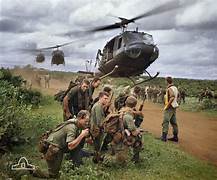
Peter’s story (Vietnam 1966 – 67)
Peter’s path from a young recruit to a seasoned section commander was fraught with challenges and invaluable lessons. His early days at just 18 in the Army brimmed with camaraderie and adventure. Yet, as he delved deeper into his role, he grappled with the daunting task of questioning authority within the regimented military environment. His insistence on understanding the rationale behind orders often led to clashes and disciplinary actions. However, Peter learned to adapt, prioritising compliance initially and reserving judgment for later. This adaptive approach served him well as he ascended to the role of NCO, entrusted with the lives of his team members.
During a challenging battalion exercise in the Blue Mountains of New South Wales, Peter and his team faced a critical moment when they became disoriented, testing their map-reading skills, leadership, and dedication to their comrades’ safety.
Peter’s subsequent assignment at 2RTB Puckapunyal involved training young national servicemen, a responsibility that weighed heavily on him as he recognised the gravity of preparing them for potential combat. This realisation prompted his transfer request to a unit destined for Vietnam, where he grappled firsthand with the profound responsibility of safeguarding his team. The poignant encounter with John’s mother, who held him personally accountable for her son’s safety, left an enduring mark on Peter. Though John survived the war, Peter carried the weight of that responsibility long after their return, bearing the burdens not only for John but for all his comrades. This encounter underscored for Peter the immense burden of leadership and the profound human cost of conflict.
Upon returning home, Peter struggled greatly to adjust to civilian life. Despite people’s eagerness to hear about his experiences, Peter had shut out that part of his memory, finding it difficult to recall events in detail. For the next forty years, he kept his service a secret, immersing himself in work and study to cope. His dedication led to long hours and, at times, excessive drinking and exhaustion.
Peter managed to marry in his thirties, but his work-life balance remained skewed. His behaviour took a toll on his family, though they continued to support him. The realisation that he could not sustain this lifestyle dawned on him in his mid-sixties, as things began to unravel. Seeking help from colleagues and professionals, Peter finally confronted the demons he had kept at bay through relentless work.
While working 60 to 80 hours per week, Peter managed to keep his inner struggles contained, but it took medical intervention to recognise the need for change. Diagnosed with PTSD, depression, and other challenges stemming from his service, Peter embarked on a journey of healing and recovery, supported by his family and healthcare professionals.
Alwyn’s Story – Vietnam 1969 – 1970
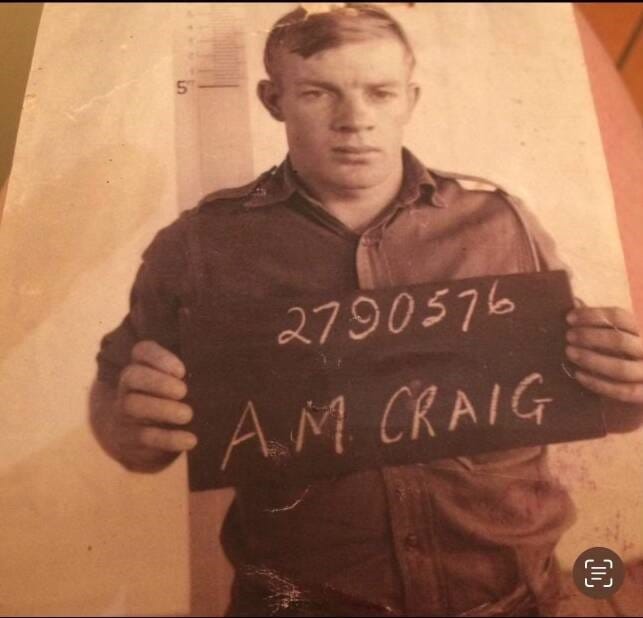
The story of Pte Alwyn Craig is all too common for Veterans returning from conflict zones. For decades, his family had no idea where he was or if he was even alive. Alwyn, once a vibrant young man, returned from Vietnam a changed person, tormented by the loss of his girlfriend and the trauma of war. For 30 years, he wandered the streets of Newcastle, known only as “Pete,” his life a mystery to all but a few.
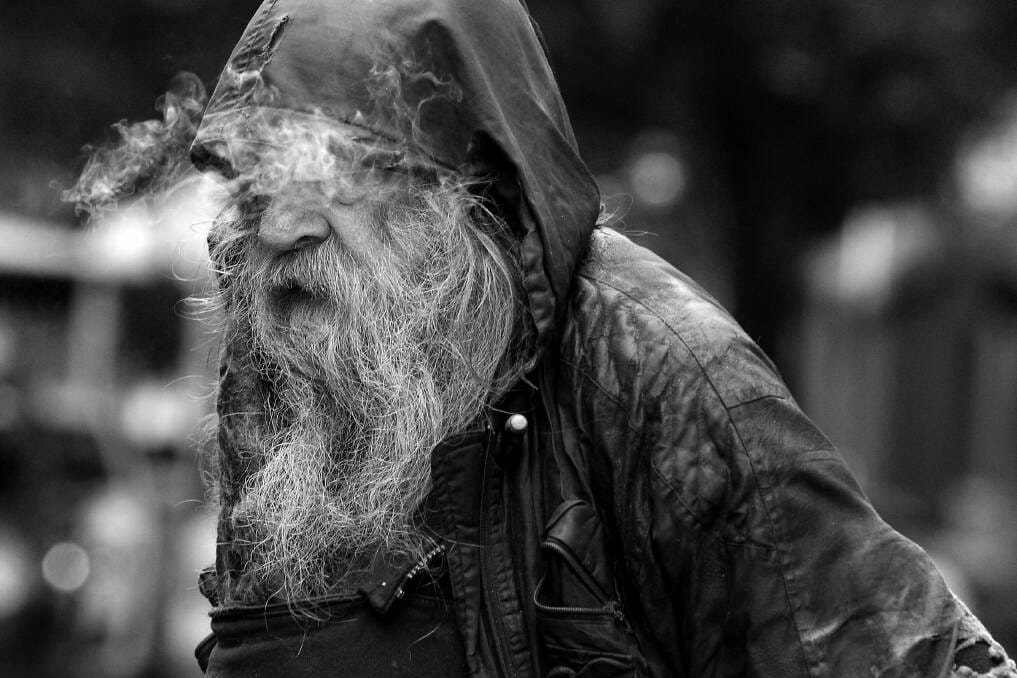
In December, a breakthrough came when City Sleep Safe director helped Alwyn obtain his birth certificate, revealing he was born in Lithgow in 1948. This discovery eventually led his family to find him in Newcastle, where his brother Harold was reunited with him after decades of silence. Alwyn had been living in the streets, avoiding contact with everyone except a few locals who recognised him and offered help in their own ways.
Alwyn’s family, who had lost touch with him after he disappeared in the ’90s, was both overjoyed and heartbroken. While Harold struggles to take his brother back into a conventional life, they are focused on supporting Alwyn in whatever way he needs, respecting the survival routine he’s built over the years.
Alwyn’s time on the streets has taken its toll, and re-adjusting to a normal life seems impossible. But with his family’s support and the assistance of organisations like RSL Lifecare program, Alwyn’s future may hold hope for change, though it will be up to him to decide the path forward.
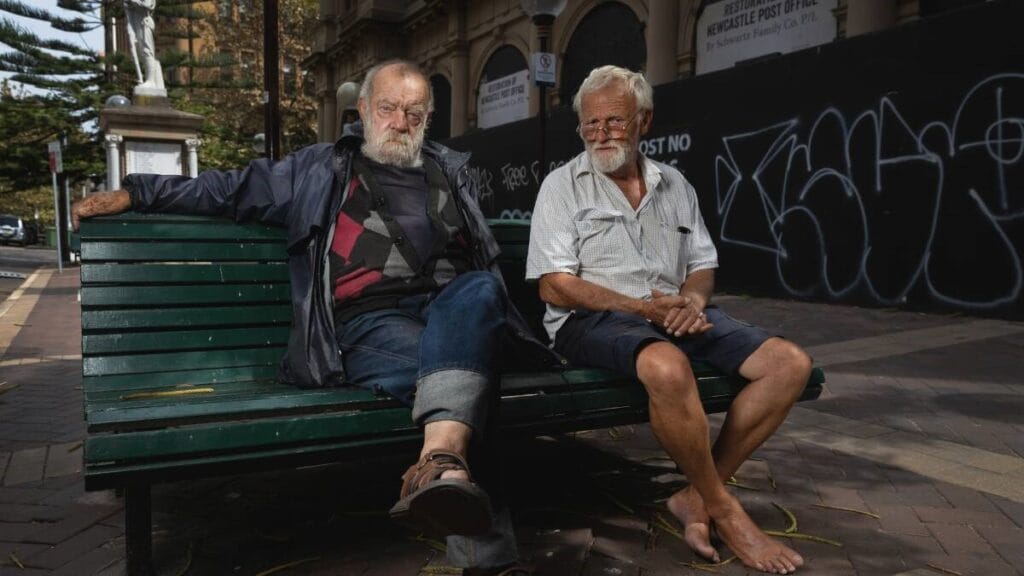
Alwyn’s full story is in Veterans’ Voice Issue 07 below